
How Many Leads Does a Wrapped Truck Generate?
Impressions are measurable. The variables that turn impressions into calls are what most wrap buyers do not account for.
The short, honest answer: nobody can tell you a number, and you should be skeptical of anyone who does. The wrap industry repeats figures like 30,000 to 70,000 impressions per day, but we have never found a published methodology behind those numbers, so we do not use them.
What can be said reliably is this: a service vehicle driving daily routes through a dense market is seen repeatedly, by the same pool of potential customers, for years, at no recurring cost. The useful question is not how many sightings that produces. It is what determines whether those sightings turn into calls, and why the results vary so much from one company to the next.
The answer comes down to six variables. Three of them are within your control before the truck leaves the shop. Three more affect performance in the field.
5–7 years
Typical wrap lifespan with cast vinyl and proper installation
One-time cost
No recurring media spend after installation
Every mile
Working in your service area whenever the vehicle is on the road
The six variables that determine lead generation
Miles driven per day
A vehicle that drives 100 miles through residential neighborhoods generates far more impressions than one that makes a single round trip. Service vehicles that drive routes through high-density residential and commercial areas during daylight hours maximize exposure. Vehicles parked at the shop or on a job site for most of the day generate a fraction of the impressions.
Service area density
A wrapped truck in a dense suburban market like Denton, Frisco, or McKinney is seen by a concentrated pool of potential customers in a tight geographic radius. The same truck operating in a rural area with 10-mile gaps between stops generates fewer impressions in the target market. Density matters because a prospect who sees the truck also has to be in the service area.
Design legibility
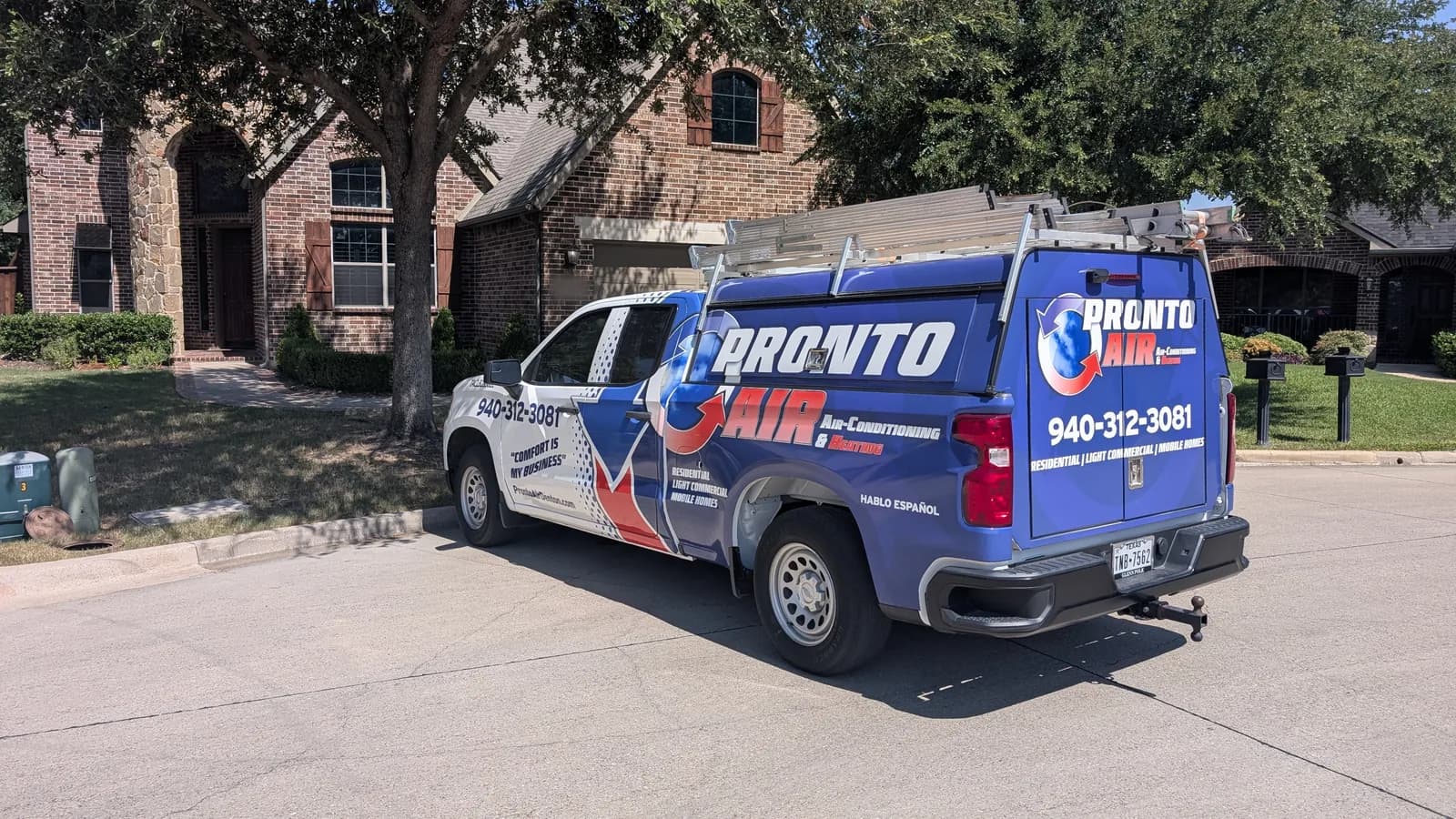
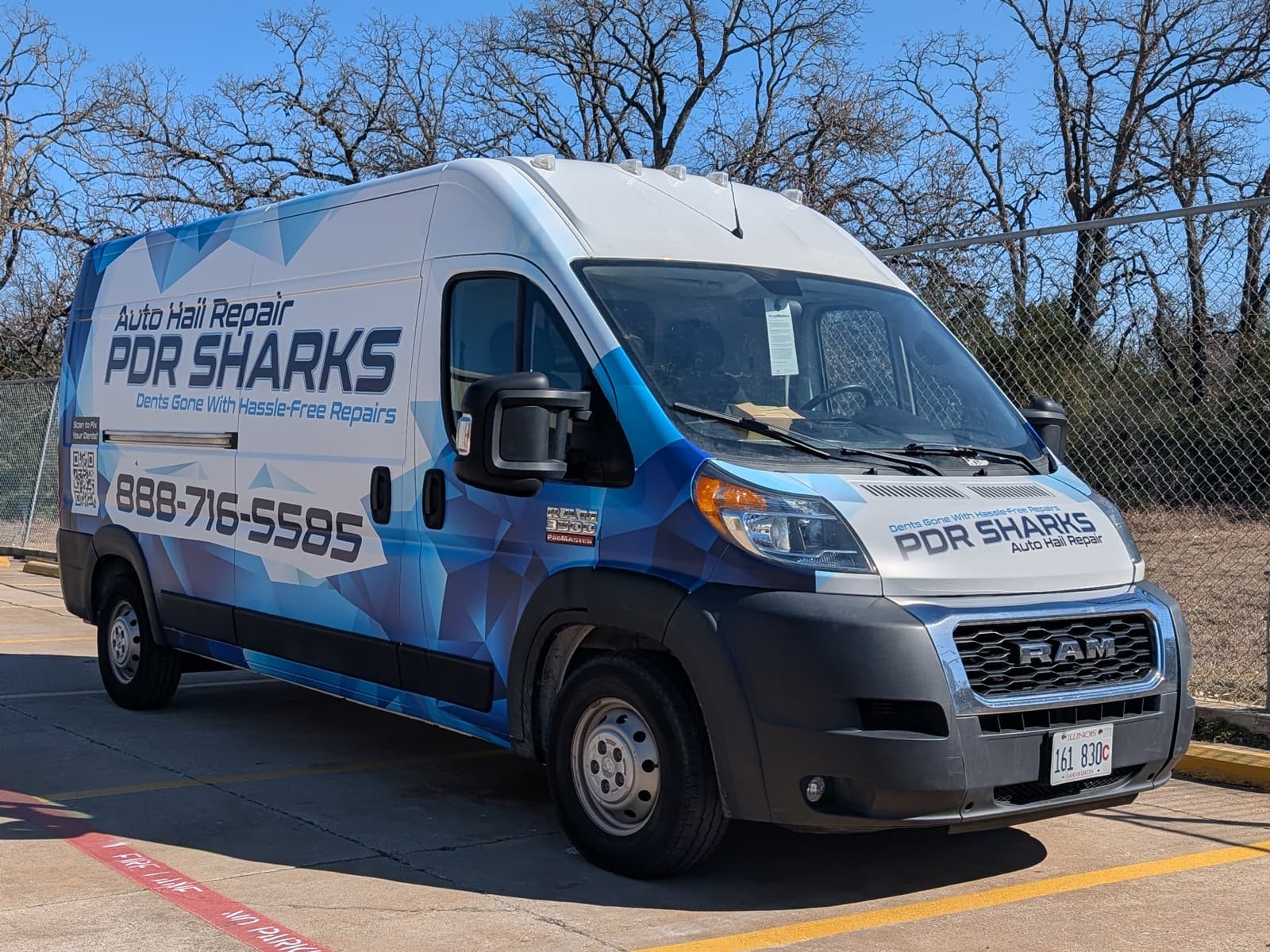
Exposure does not equal leads. A vehicle that is seen constantly but fails the 45 MPH visibility test generates fewer inquiries than one seen half as often with a design that communicates clearly. The conversion from sighting to lead requires the passing driver to identify the company name, service category, and a contact method, in the brief window traffic allows.
Time in service
Vehicle wrap advertising builds cumulative recognition over time. A company whose trucks have been in the market for three to five years has significantly higher name recognition than one that just wrapped their fleet. Repeat sightings build familiarity. Familiarity reduces the friction of a first call. The leads generated in year three of operating wrapped vehicles are typically higher quality than the leads generated in month one.
Fleet size
Each additional vehicle in the fleet multiplies impressions proportionally, assuming the routes are distributed across the market rather than overlapping. A five-truck fleet covering different parts of the DFW metro generates five times the impressions of a single truck. For companies at that scale, fleet consistency becomes a significant factor, five trucks in the same livery build faster recognition than five trucks with different designs.
First contact quality
The wrap generates the impression and prompts the call. What happens on that call determines whether the impression becomes a lead. A phone that rings through to voicemail, a full mailbox, or a slow callback converts at a fraction of the rate of a call that is answered promptly and handled professionally. The wrap does the marketing; the company does the selling.
How to improve lead generation from your existing fleet
If your wrapped fleet is not generating calls at the rate you expect, start with the design. Run the 45 MPH visibility test on each vehicle. If the company name and service category are not clearly legible at 100 feet, the design is the bottleneck.
If the design passes the visibility test, check the routes. A vehicle spending most of its time parked at the shop or driving in markets outside the service area generates impressions that cannot convert to calls.
If both the design and the routes are solid, check the first contact experience. A strong wrap that drives calls to a number that is not answered promptly is converting impressions into frustration rather than customers.
Common questions
- How many impressions does a vehicle wrap generate per day?
- You will see figures like 30,000 to 70,000 daily impressions repeated across the wrap industry. We do not use those numbers, because we have never found a published methodology behind them. What can be said reliably: a service vehicle driving daily routes through a dense residential market is seen by a large number of people in its service area, repeatedly, for years, at no recurring media cost. The exposure is real. The precise count is not something anyone can honestly verify.
- What is the cost per impression of a vehicle wrap compared to other advertising?
- We do not publish a cost-per-impression figure, because doing the math requires an impression count nobody can verify. What can be compared honestly: a wrap is a one-time cost that works every day the vehicle is on the road for five to seven years, with no recurring spend. Digital advertising, direct mail, and print all stop the moment you stop paying. Whether the wrap's exposure converts to leads depends on design legibility and whether the viewer is in your service area.
- How do I track whether my wrapped truck is generating leads?
- The most direct method is asking every new customer how they heard about the company, and recording the answers consistently. 'Saw your truck' or 'drove by and noticed your truck at a neighbor's house' should appear in the responses if the wrap is working. A dedicated phone number on the vehicle that is different from the main business number can also provide direct attribution data.
- Why is my wrapped truck not generating leads?
- The most common reasons: (1) the design fails the 45 MPH visibility test and passing drivers cannot identify the company or service category in the available viewing window; (2) the vehicle primarily drives routes outside the target service area; (3) the company is in a low-competition service category where brand awareness does not significantly affect call volume; (4) the phone number or contact path is not prominent on the vehicle. A free wrap audit from WrapMasters evaluates the design for legibility issues.
- Does a wrapped truck generate more leads than digital advertising?
- Vehicle wraps and digital advertising serve different roles. A wrap is ambient brand-building that generates consistent passive impressions in the local market over years. Digital advertising generates targeted impressions that can be immediately attributed to specific campaigns. For most local service companies, both are useful, but a well-designed fleet wrap provides baseline brand recognition in the service area that digital advertising alone cannot replicate.
- How long before a newly wrapped fleet starts generating leads?
- Some companies see inquiries attributable to the vehicle within the first few weeks if the vehicle is highly visible and the design is strong. Cumulative recognition, the kind that drives 'I see your trucks everywhere' comments, typically takes six months to two years, depending on fleet size, daily miles, and market density. The early leads come from people who happen to need the service at the moment they see the truck. The later leads come from people who recognized the brand before they needed it.
Don't be a stranger.
See where your current wrap is losing visibility. Upload a side or rear photo and get an instant 45 MPH Test visibility score. Free, no commitment.
New business or no wrap yet? Get started instead, no audit needed.